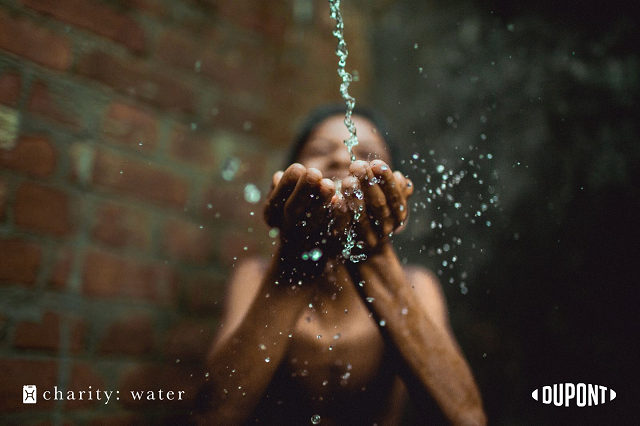
DuPont was the first brand partner to contribute to charity: water’s special COVID-19 Relief Fund, launched on May 5 on Giving Tuesday Now — a global day of giving and unity for COVID-19 response efforts.
Without strong healthcare systems to rely on, prevention is absolutely critical to protecting people in developing countries from COVID-19. charity: water’s local partners are experts in handwashing, hygiene, and teaching people how to protect themselves from disease. Now, they are urgently scaling their efforts to combat the spread of COVID-19 in the regions they serve.
The COVID-19 Relief Fund, which will direct 100% of donations to local needs, will expand charity: water’s work to bring vital resources to vulnerable communities, including handwashing stations, hygiene and sanitation training, community health messages, and personal protective equipment for Water Sanitation and Hygiene (WASH) frontline workers.
"We believe in the work that charity: water and their local partners are doing, both during this pandemic and beyond, to help mitigate the spread of the virus, as well as increase access to clean, safe drinking water for people and communities around the world," said Alexa Dembek, DuPont’s Chief Technology and Sustainability Officer. "Clean water is one of the U.N. Sustainable Development Goals that we’re focused on and we’re pleased to support charity: water in their efforts and look for opportunities where our expertise in this area can further this shared purpose."
DuPont is encouraging others to support the fund, including its employees and other companies in the global clean water sector. Throughout May, DuPont will invite participants of its online training webinars and Water Academy to support the effort.
#GivingTuesdayNow, is a new global day of giving and unity as an emergency response to the unprecedented need caused by COVID-19.
Additional information is available at www.charitywater.org
COVID-19: Partnership aims to help prevent spread of the virus
Kategorie: Sonstiges
Autor: Jonas Völker
Das könnte Sie auch interessieren:
Mrz
2024
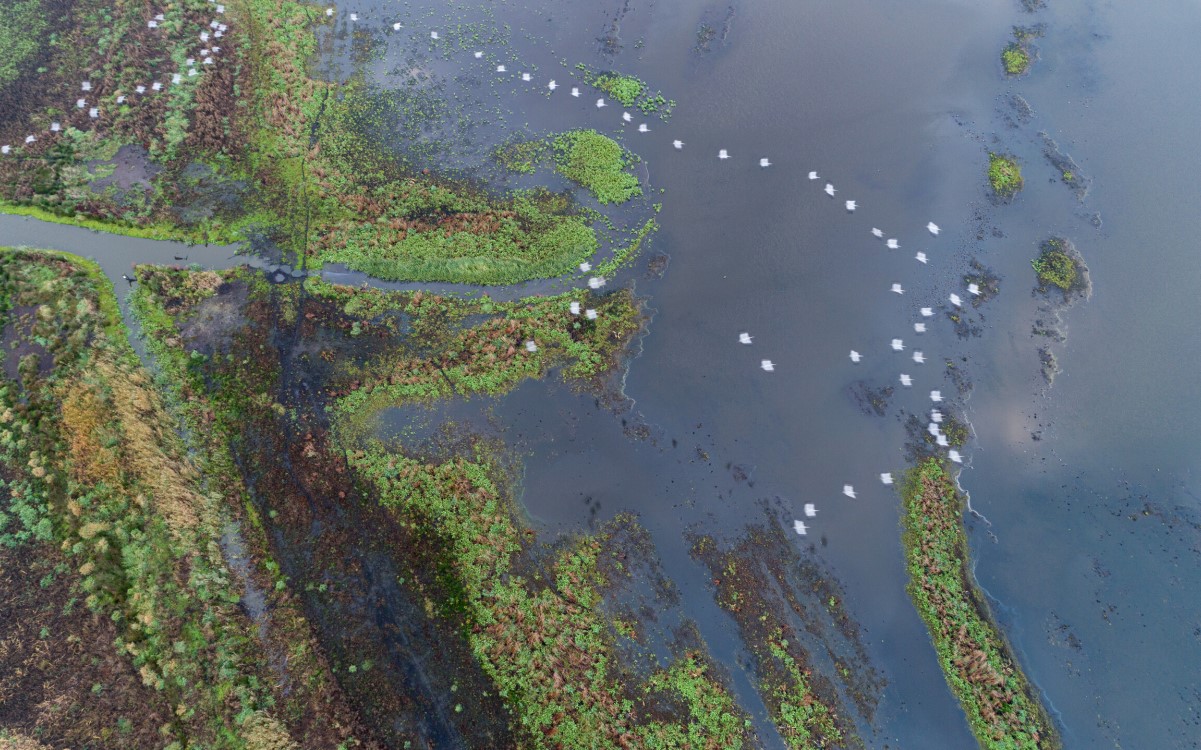
Trügerische Idylle: Stettiner Haff ist Bedrohter See des Jahres 2024
Das Stettiner Haff erstreckt sich über beide Seiten der deutsch-polnischen Grenze. Mit seiner Größe von 70.000 ha und als Teil des Oderdeltas spielt es eine Schlüsselrolle bei der Erhaltung der Artenvielfalt in der ...
Mrz
2024
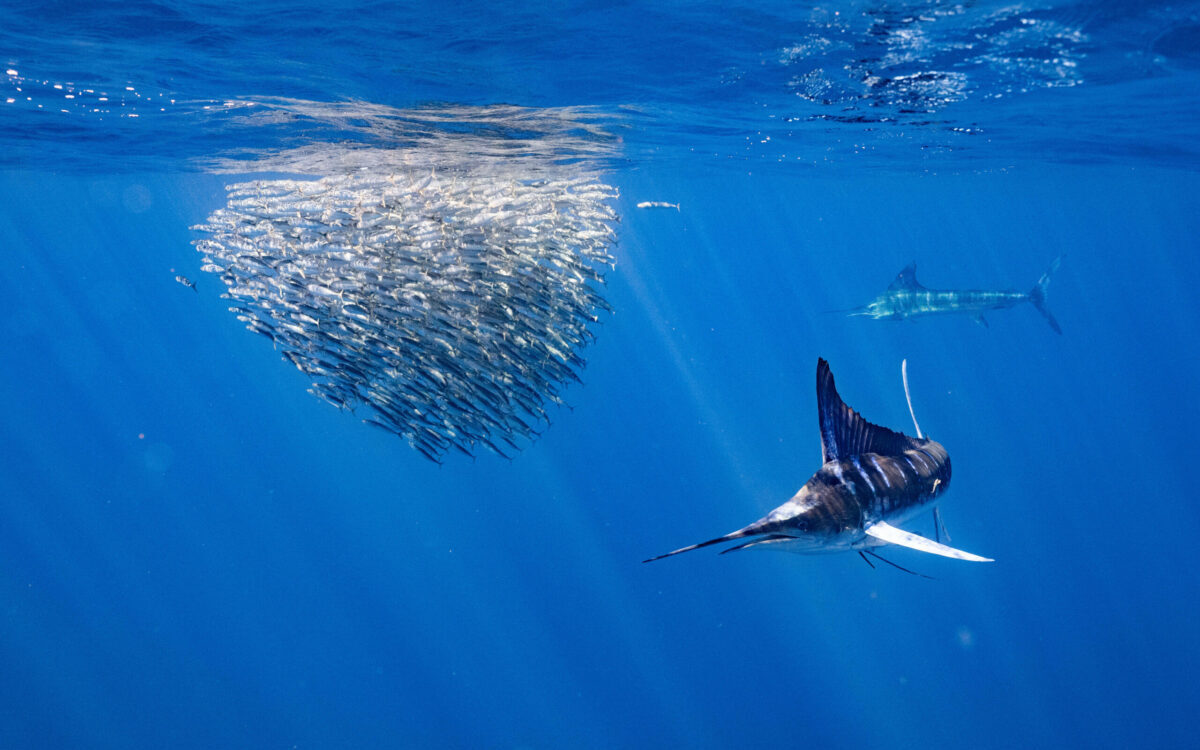
Rasante Raubfische wechseln Farben auf der Jagd
Eine Studie des Exzellenzclusters "Science of Intelligence" (SCIoI) mit der Humboldt-Universität zu Berlin und dem IGB erforscht, wie die gestreiften Marline die schnelle Abfolge ihrer Angriffe koordinieren können, ...
Feb
2024
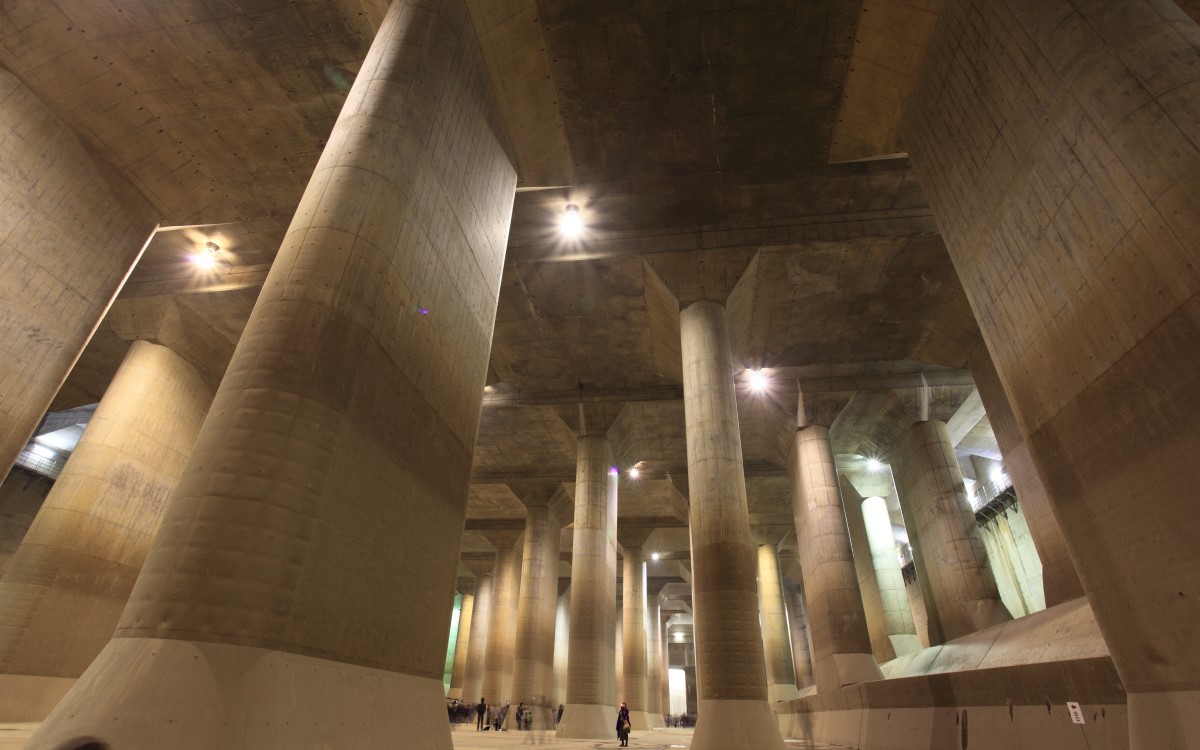
Unterirdischer Wassertempel schützt vor Hochwasser
20. Februar 2024 ǀ In Japan findet sich das weltgrößte unterirdische Entwässerungs- und Kanalisationssystem, genannt Shutoken Gaikaku Hōsuiro (首都圏外郭放水路, dt. etwa äußerer Entwässerungskanal für ...
Passende Firmen zum Thema:
Publikationen
Sie möchten die gwf Wasser + Abwasser testen
Bestellen Sie Ihr kostenloses Probeheft
Überzeugen Sie sich selbst: Gerne senden wir Ihnen die gwf Wasser + Abwasser kostenlos und unverbindlich zur Probe!