Sustainable provision of potable water in low resource contexts remains a key challenge for the international water sector, largely due to the complex interaction of factors that drive service delivery outcomes. In response, there has been an increasing prevalence in the use of systems modeling tools and techniques to gain a systems-level understanding of programmatic leverage points.
Unfortunately, these methods tend to be cumbersome and analytically complex. As a result, they are inaccessible, irrelevant, or both to stakeholders who often have the most intimate understanding of the local context. This webinar presents a research program that seeks to develop an accessible and useful tool – rooted in system dynamics and machine learning – that practitioners can use to inform policy and practice for water service delivery. Current progress on the tool’s development and steps forward will be discussed.
The seminar will take place on July 8th, 2020 at 12pm ET.
Further details and registration: https://www.engineeringforchange.org/webinar/tool-water-service-delivery-low-resource-settings/
Webinar “Systems Tools for Water Service Delivery in Low-Resource Settings”
Kategorie: Sonstiges
Themen: Events | Water Solutions
Autor: Jonas Völker
Das könnte Sie auch interessieren:
Mrz
2024
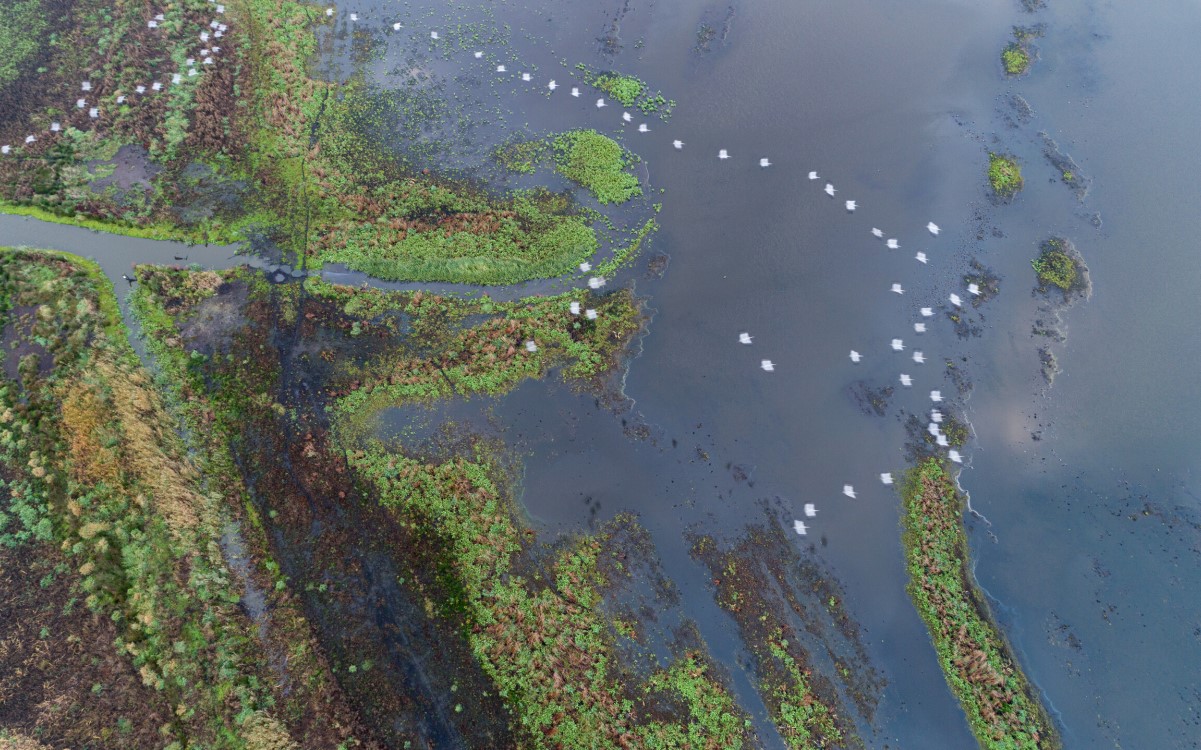
Trügerische Idylle: Stettiner Haff ist Bedrohter See des Jahres 2024
Das Stettiner Haff erstreckt sich über beide Seiten der deutsch-polnischen Grenze. Mit seiner Größe von 70.000 ha und als Teil des Oderdeltas spielt es eine Schlüsselrolle bei der Erhaltung der Artenvielfalt in der ...
Mrz
2024
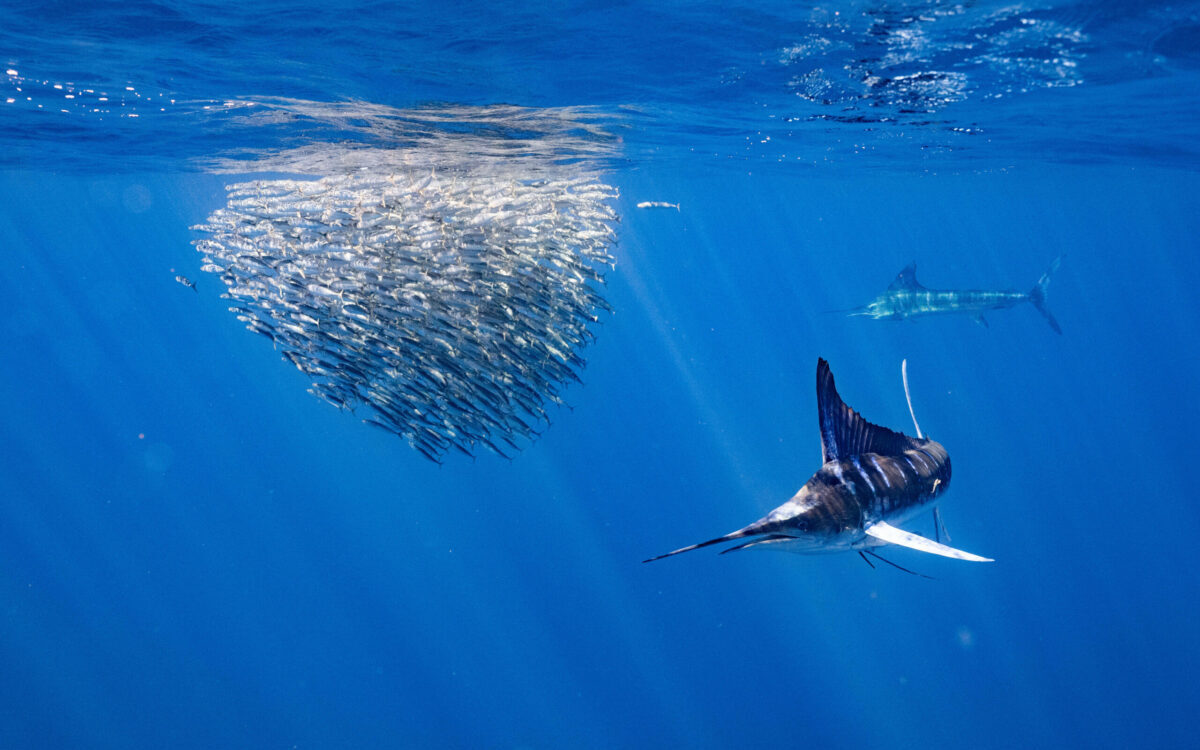
Rasante Raubfische wechseln Farben auf der Jagd
Eine Studie des Exzellenzclusters "Science of Intelligence" (SCIoI) mit der Humboldt-Universität zu Berlin und dem IGB erforscht, wie die gestreiften Marline die schnelle Abfolge ihrer Angriffe koordinieren können, ...
Feb
2024
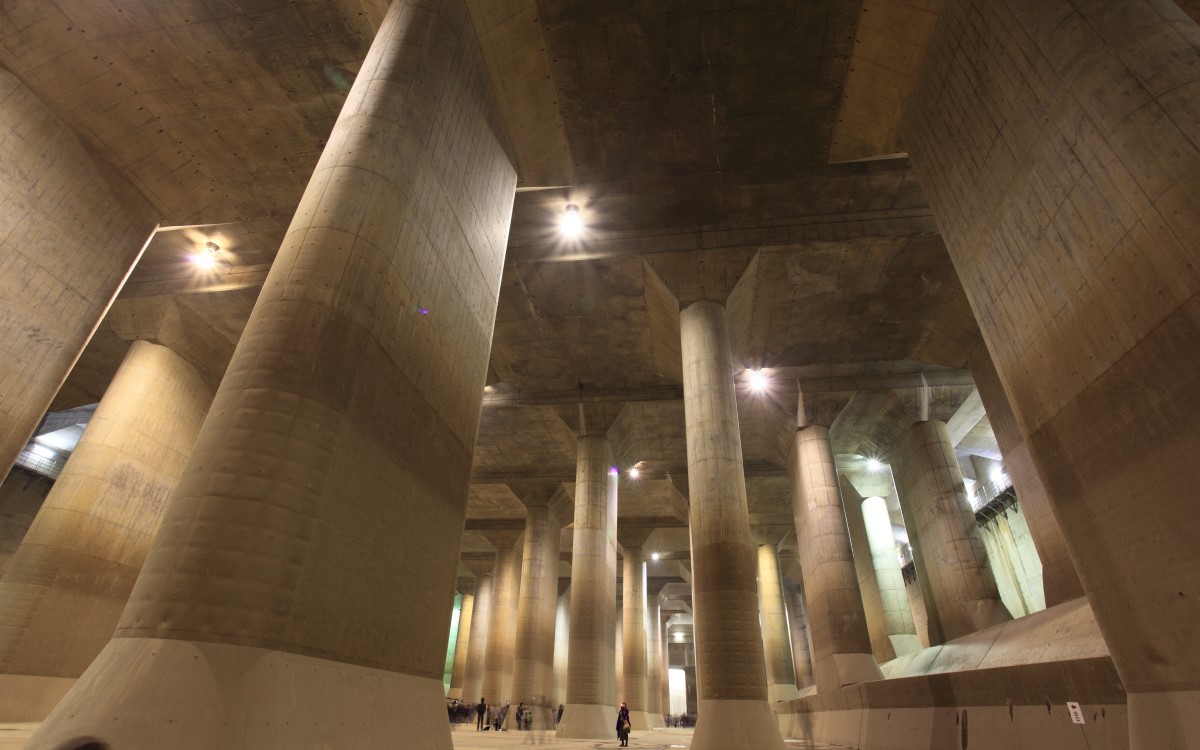
Unterirdischer Wassertempel schützt vor Hochwasser
20. Februar 2024 ǀ In Japan findet sich das weltgrößte unterirdische Entwässerungs- und Kanalisationssystem, genannt Shutoken Gaikaku Hōsuiro (首都圏外郭放水路, dt. etwa äußerer Entwässerungskanal für ...
Passende Firmen zum Thema:
Publikationen
Water Sensitive Urban Design as a Role Model for Water Management in Germany?
Autor: Jacqueline Hoyer / Juliane Ziegler
Themenbereich: gwf - Wasser|Abwasser
Erscheinungsjahr: 2013
“Water Sensitive Urban Design” (WSUD), originally developed in Australia, is a planning and design approach combining the functionality of water management with principles of urban design. WSUD is mainly used in the development of integrated ...
Tertiary Filtration with Ultrafiltration Membranes in Municipal Wastewater Treatment Plants
Autor: Martin Wett and Eberhard Back
Themenbereich: gwf - Wasser|Abwasser
Erscheinungsjahr: 2011
During the operation of tertiary filtration stages in a dead-end-mode, retentate concentrate and rinsing water from membrane cleaning accrue naturally. Work on process solutions for these process waters with no additional particle loads for the ...
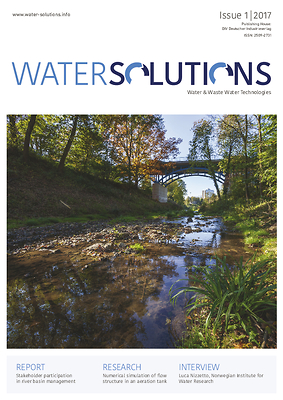
Water Solutions – 01 2017
Themenbereich: Water SolutionsErscheinungsjahr: 2017
The leading professional magazine for water and wastewater ...
Sie möchten die gwf Wasser + Abwasser testen
Bestellen Sie Ihr kostenloses Probeheft
Überzeugen Sie sich selbst: Gerne senden wir Ihnen die gwf Wasser + Abwasser kostenlos und unverbindlich zur Probe!