Filter by Themen
Filter by Kategorien
Filter by Veranstaltungsschlagworte
FS Logoi

Industrial Emissions Directive: EurEau signed joint letter to the members of the EU Parliament

On July 6th, a coalition of organisations protecting consumers, health and environment across Europe, sent an urgent letter to the members of the EU Parliament to entreaty them to introduce vital protection for pollution victims in the Industrial Emissions Directive (IED). EurEau also signed this letter.

von | 12.07.23

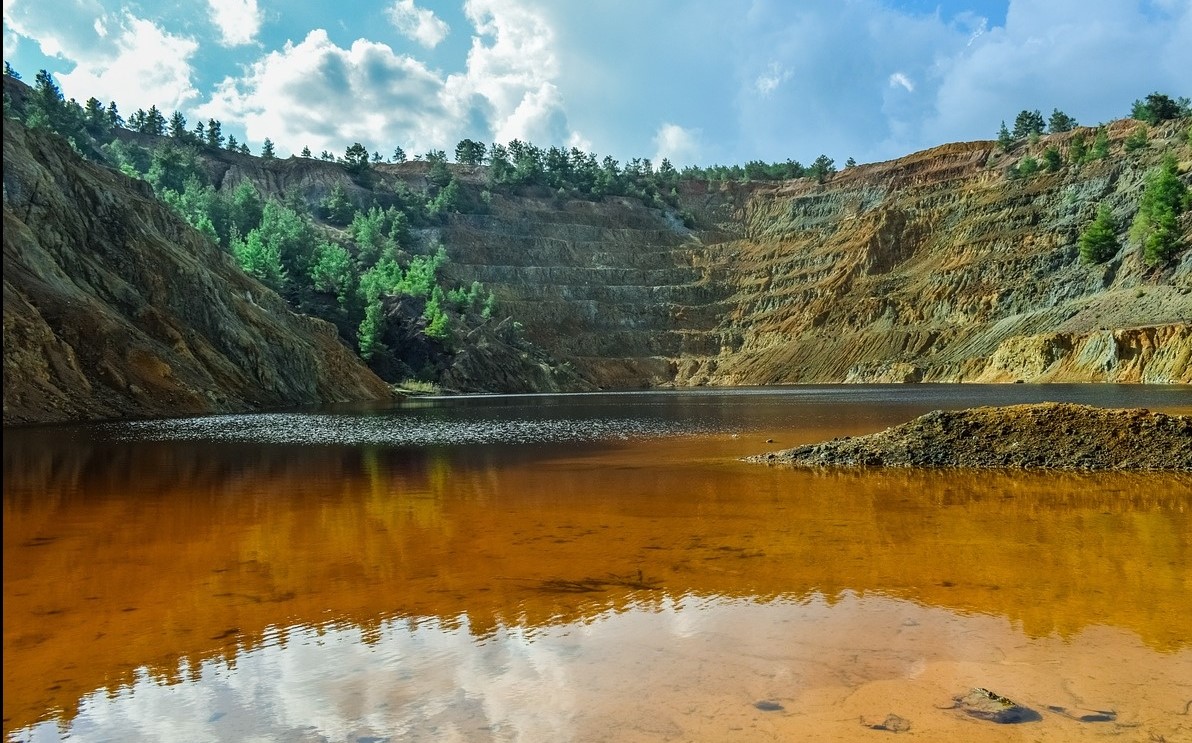
Acid lake from mining
dimitrisvetsikas1969/pixabay
12th July 2023 | On July 6th, a coalition of organisations protecting consumers, health and environment across Europe, sent an urgent letter to the members of the EU Parliament to entreaty them to introduce vital protection for pollution victims in the Industrial Emissions Directive (IED). EurEau also signed this letter.

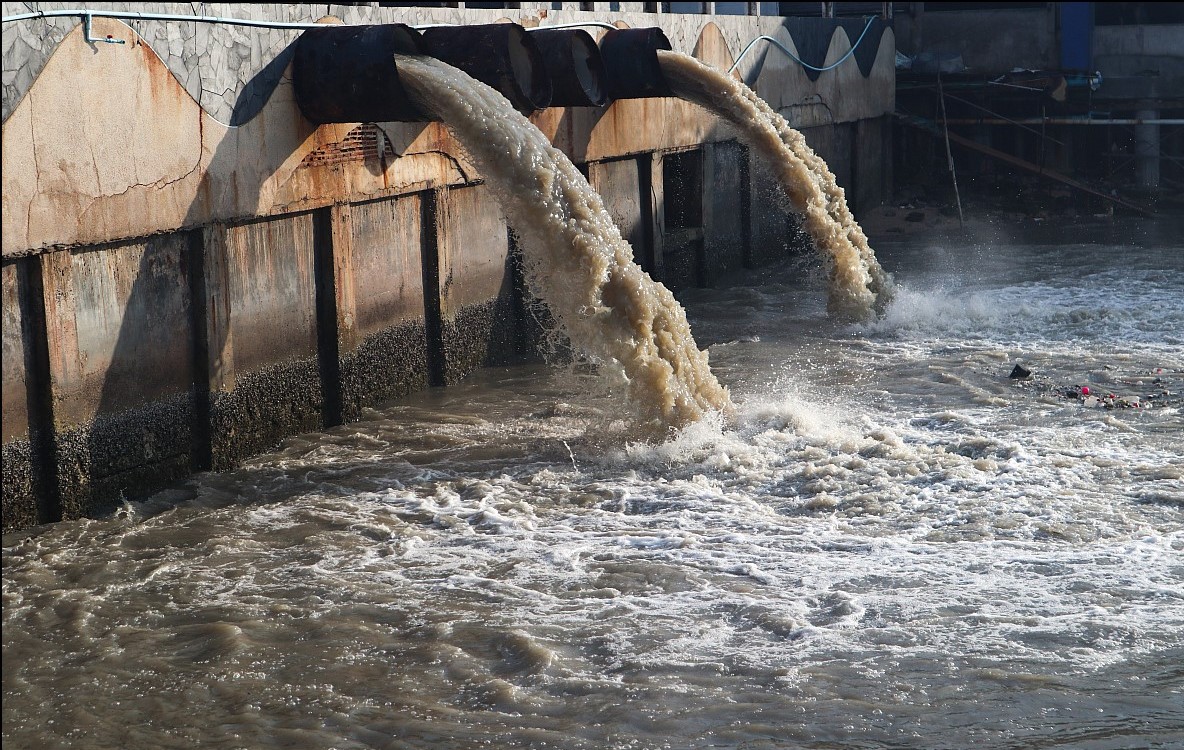
The IED governs over 50,000 installations like steelworks, chemicals and plastics factories, industrial farms and coal plants, all over Europe. The directive regulates pollution from industrial facilities which ends up in air, water and soil. The data, particularly on air pollution, is rich in terms of providing evidence of the damage caused each year to EU citizens and, as a result, economies, by this pollution.

Rights of action demanded for victims of industrial emission

In the letter, the organisations say:

“When people’s health suffers as a result of illegal industrial activities or inaction from public authorities, victims should be empowered to go to court and stand a genuine chance of obtaining compensation from those who have violated the law and caused them harm. Today, this is next to impossible. Even in cases of illegal pollution, people suffering from health issues are essentially abandoned because there are no effective, harmonised rules to ask for remedy before the courts, as confirmed by the European Commission.“

According to EuEau, the proposed text of the IED meets most of the water service providers’ expectations by correcting some drawbacks of the current directive regarding the protection of water bodies. Among other things, the current proposal allows for a better inventoy of hazardous chemicals through mandatory environmental management systems (EMS) that support risk prevention and the search for less hazardous alternatives.

Positions on PMT and vPvM as well as on lifestock farming

EurEau makes clear that persistent, mobile and toxic (PMT) substances and very persistent, very mobile (vPvM) substances should never be authorized for release into urban sewer network. Furthermore, the organization advocates the extension of the IED scope to cattle and the reduction of the size of farms covered for pig and poultry.

Besides the general position of the EurEau about the scope of the IED some articles are commented in detail in the paper.

EurEau position paper

Bildquelle, falls nicht im Bild oben angegeben:

Jetzt Newsletter abonnieren

Stoff für Ihr Wissen, jede Woche in Ihrem Postfach.

Hier anmelden

GEOMAR startet Ostsee-Expeditionen zur Erforschung von Seegras und Phytoplankton

Mit drei Forschungsexpeditionen in der Ostsee untersucht das GEOMAR Helmholtz-Zentrum für Ozeanforschung Kiel den Zustand von Seegraswiesen und Phytoplankton. Im Mittelpunkt stehen deren Bedeutung für den Kohlenstoffkreislauf sowie ihre Rolle als Indikatoren für den ökologischen Zustand des Meeres. Die gewonnenen Daten sollen dazu beitragen, die Auswirkungen des Klimawandels besser zu verstehen und wirksame Schutz- und Wiederherstellungsmaßnahmen für die Ostsee zu entwickeln.

mehr lesen
Wie Klimamuster die Widerstandskraft von Korallenriffen beeinflussen

Korallenriffe werden bei marinen Hitzewellen nicht immer gleich gut durch natürliches kühles Tiefenwasser geschützt. Eine neue Studie zeigt, dass großräumige Klimamuster wie El Niño und der Indische-Ozean-Dipol maßgeblich bestimmen, wie wirksam diese natürliche Kühlung ausfällt. Die Erkenntnisse könnten helfen, besonders widerstandsfähige Riffe künftig gezielter zu schützen.

mehr lesen
Wenn die Heimat im Giftsee versinkt

Wo einst Häuser, Wiesen und Höfe standen, breitet sich heute ein orangefarbener See aus. Seine auffällige Farbe ist das Ergebnis jahrzehntelangen Kupferbergbaus und er steigt Jahr für Jahr weiter an. Mit seinem Dokumentarfilm „where we used to sleep“ macht Regisseur Matthäus Wörle diese Entwicklung am Schicksal einer der letzten Bewohnerinnen des Dorfes sichtbar. Im Gespräch erzählt er von den Dreharbeiten, der Umweltproblematik vor Ort und davon, warum persönliche Geschichten oft mehr bewegen als bloße Zahlen.

mehr lesen

Passende Firmen zum Thema:

Sie möchten die gwf Wasser + Abwasser testen

Bestellen Sie Ihr kostenloses Probeheft

Überzeugen Sie sich selbst: Gerne senden wir Ihnen die gwf Wasser + Abwasser kostenlos und unverbindlich zur Probe!

Finance Illustration 03