The water has been used to cool three melted reactors since the nuclear disaster in March 2011. According to BBC, "most of the radioactive isotopes have been removed using a complex filtration process. But one isotope, tritium, cannot be removed so the water has been stored in huge tanks which will fill up by 2022."
Environment Minister Yoshiaki Harada supports the plan of dumping the water into the Pacific, where it would be diluted, posing a low risk to human and animal health. The Japanese Government, however, said that no decision was made yet.
Fishermen’s groups are opposed to the plan, as it affects their activities and reputation directly. The South Korea government also has its concerns due to the geographical proximity and the possible impacts the dumping may cause to the health and safety of people and ocean.
Further sources: CNN, CBC (Video)
Japan: dumping radioactive Fukushima water into Pacific may be the only option
Kategorie: Sonstiges
Thema: Water Solutions
Autor: Jonas Völker
Das könnte Sie auch interessieren:
Mrz
2024
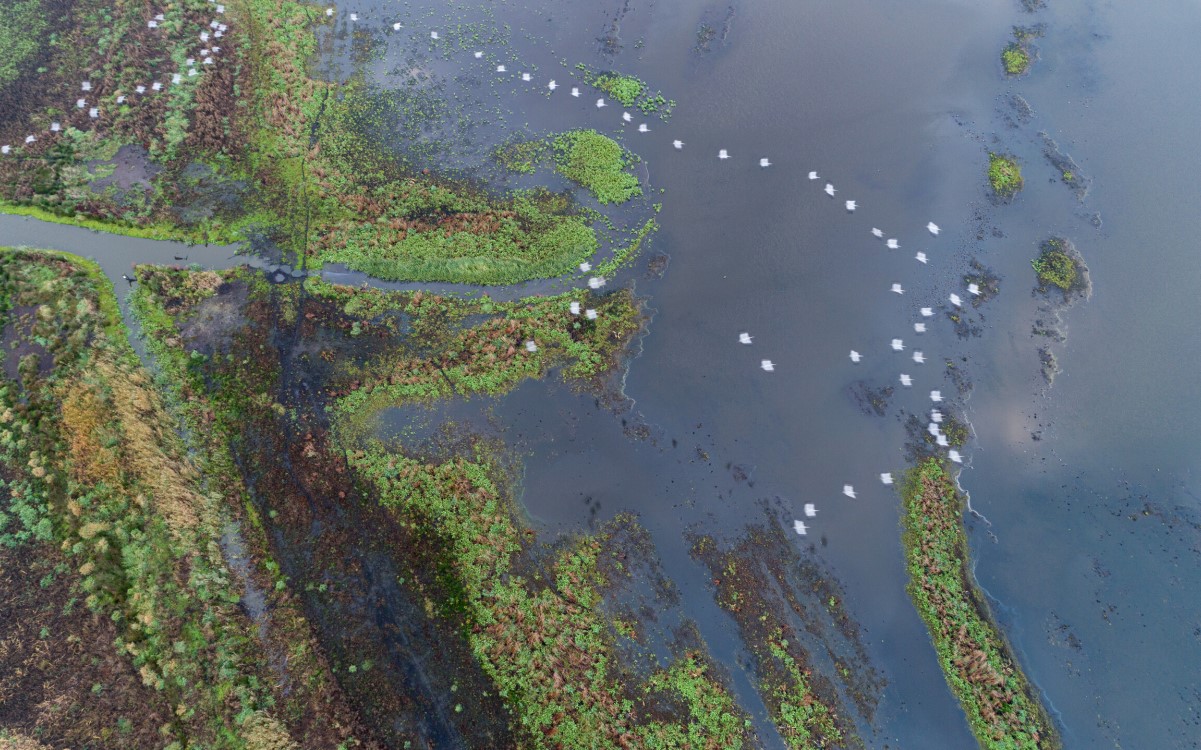
Trügerische Idylle: Stettiner Haff ist Bedrohter See des Jahres 2024
Das Stettiner Haff erstreckt sich über beide Seiten der deutsch-polnischen Grenze. Mit seiner Größe von 70.000 ha und als Teil des Oderdeltas spielt es eine Schlüsselrolle bei der Erhaltung der Artenvielfalt in der ...
Mrz
2024
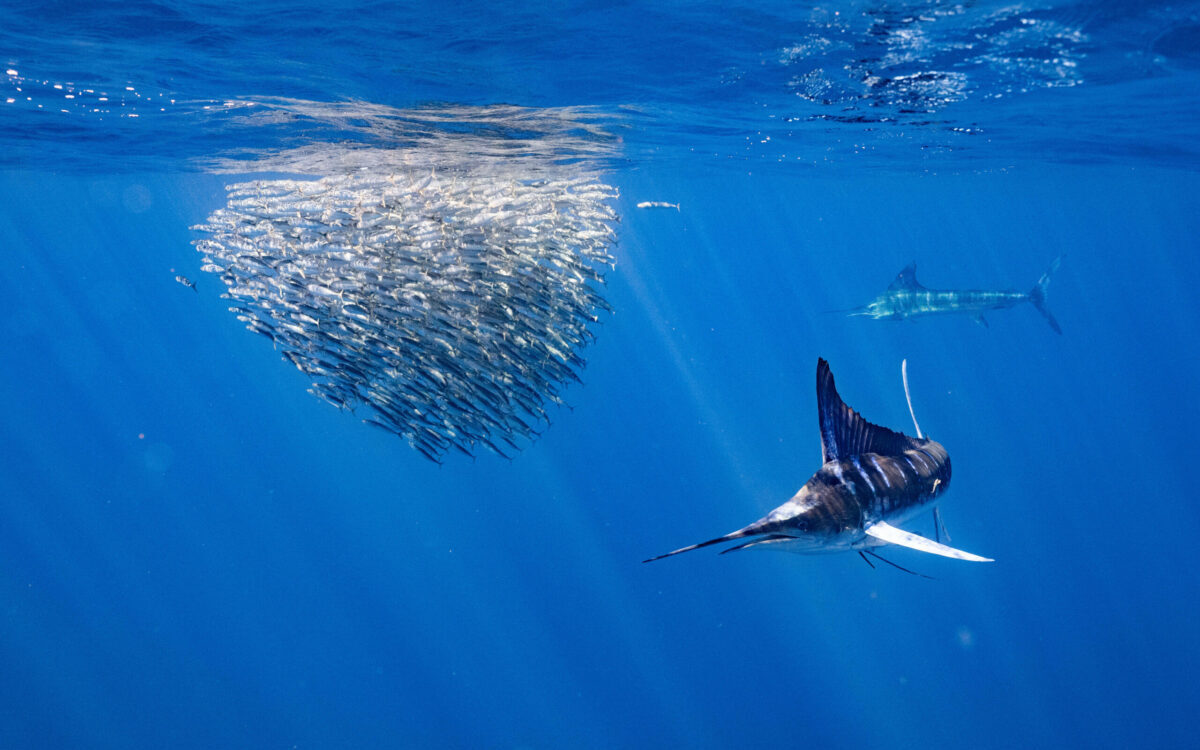
Rasante Raubfische wechseln Farben auf der Jagd
Eine Studie des Exzellenzclusters "Science of Intelligence" (SCIoI) mit der Humboldt-Universität zu Berlin und dem IGB erforscht, wie die gestreiften Marline die schnelle Abfolge ihrer Angriffe koordinieren können, ...
Feb
2024
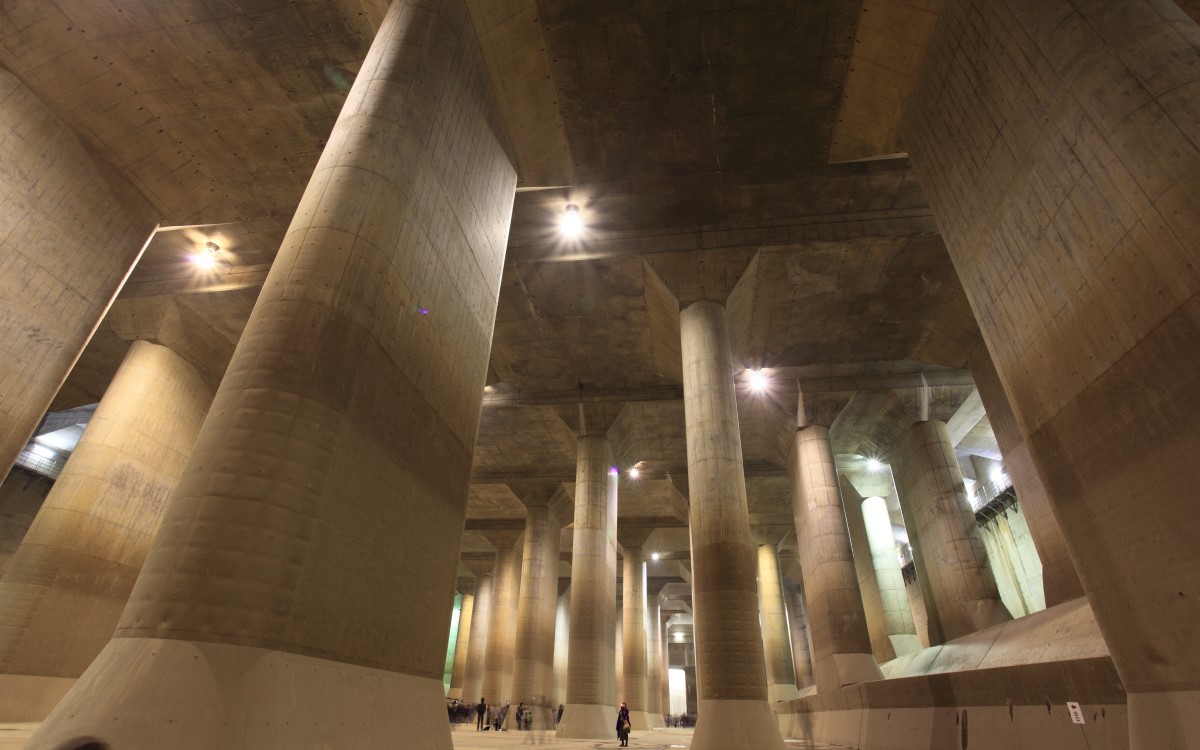
Unterirdischer Wassertempel schützt vor Hochwasser
20. Februar 2024 ǀ In Japan findet sich das weltgrößte unterirdische Entwässerungs- und Kanalisationssystem, genannt Shutoken Gaikaku Hōsuiro (首都圏外郭放水路, dt. etwa äußerer Entwässerungskanal für ...
Passende Firmen zum Thema:
Publikationen
Water Sensitive Urban Design as a Role Model for Water Management in Germany?
Autor: Jacqueline Hoyer / Juliane Ziegler
Themenbereich: gwf - Wasser|Abwasser
Erscheinungsjahr: 2013
“Water Sensitive Urban Design” (WSUD), originally developed in Australia, is a planning and design approach combining the functionality of water management with principles of urban design. WSUD is mainly used in the development of integrated ...
Tertiary Filtration with Ultrafiltration Membranes in Municipal Wastewater Treatment Plants
Autor: Martin Wett and Eberhard Back
Themenbereich: gwf - Wasser|Abwasser
Erscheinungsjahr: 2011
During the operation of tertiary filtration stages in a dead-end-mode, retentate concentrate and rinsing water from membrane cleaning accrue naturally. Work on process solutions for these process waters with no additional particle loads for the ...
Water Solutions – 01 2017
Themenbereich: Water SolutionsErscheinungsjahr: 2017
The leading professional magazine for water and wastewater ...
Sie möchten die gwf Wasser + Abwasser testen
Bestellen Sie Ihr kostenloses Probeheft
Überzeugen Sie sich selbst: Gerne senden wir Ihnen die gwf Wasser + Abwasser kostenlos und unverbindlich zur Probe!