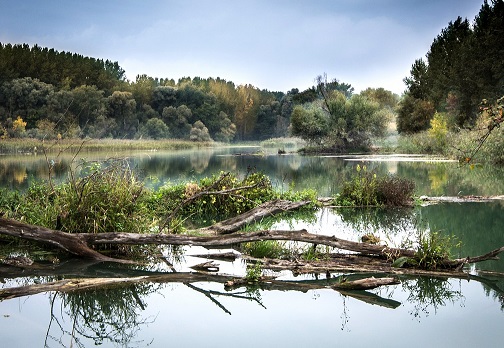
River resilience is the capacity of rivers and communities to recover from disturbances, like extreme weather events, to a healthy state. The road to resilience can be a complex journey with the interdependence of environmental, social and economic outcomes. Within four days, river managers, policy developers, scientists, consultants, students, NGOs, indigenous and community organizations and business and industry representatives will join the global forum to collaborate to improve the sustainable management of river basins all over the world.
Keynote speakers are Prof. Peter Batey, Emeritus Professor of Town and Regional Planning at the University of Liverpool in the UK, Marcella D’Souza, Director of the WOTR Centre for Resilience Studies (W-CReS), India, and Mara Bún, President of the Australian Conservation Foundation. Peter Batey had a significant role in the 25-year campaign focused on restoring the River Mersey and estuary. The campaign’s achievements in river restoration and stakeholder engagement led to the River Mersey winning the very first International Riverprize back in 1999. Marcella D’Souza is a medical doctor by training and a Takemi Fellow of the Harvard School of Public Health. Mara Bún chairs the Board of Gold Coast Waterways Authority, a Queensland Government agency managing 160 kilometers of magnificent waterways that are vulnerable to climate impacts.
In addition to a large variety of sessions covering all aspects of river management to achieve resilient rivers, the Riverprize will be awarded during a festive evening event. Riverprize is a prominent environmental award giving recognition to those who have developed and implemented outstanding, visionary and sustainable programs in river management and restoration.
As part of the holistic program, a number of optional study tours are available for attendees and delegates.
Further information is given here.
22nd International Riversymposium 2019
Kategorie: Sonstiges
Themen: Events | Water Solutions
Autor: Jonas Völker
Das könnte Sie auch interessieren:
Mrz
2024
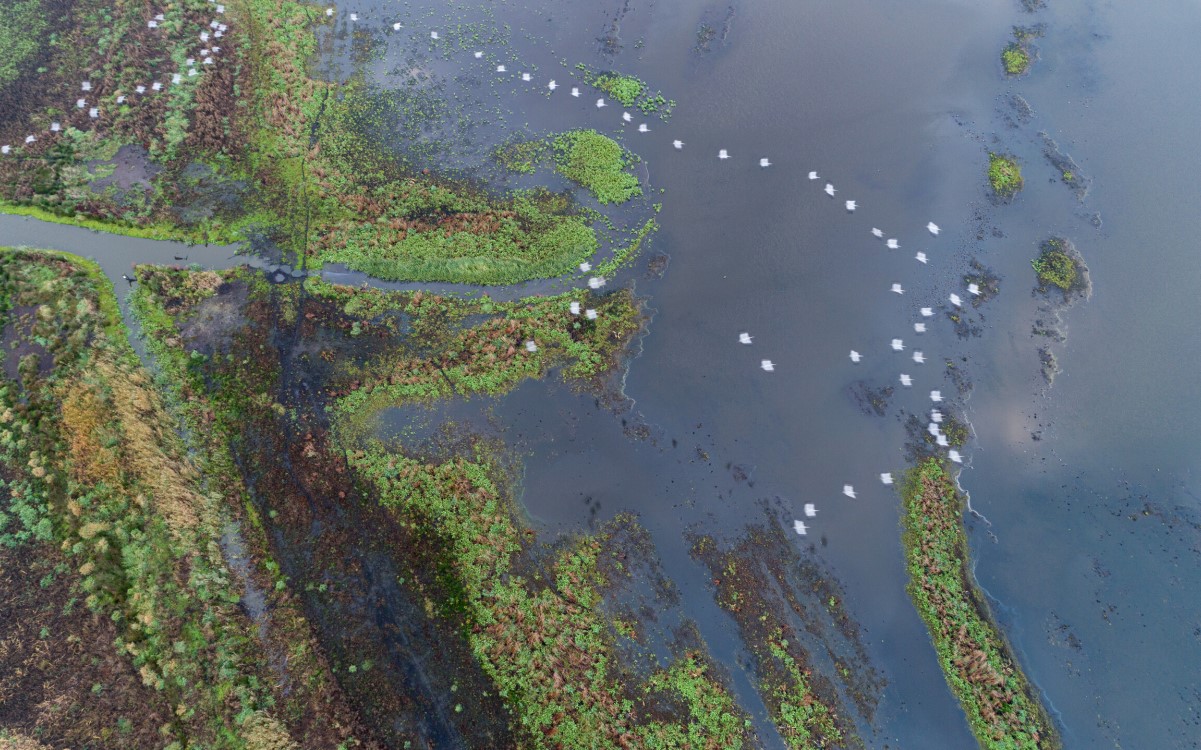
Trügerische Idylle: Stettiner Haff ist Bedrohter See des Jahres 2024
Das Stettiner Haff erstreckt sich über beide Seiten der deutsch-polnischen Grenze. Mit seiner Größe von 70.000 ha und als Teil des Oderdeltas spielt es eine Schlüsselrolle bei der Erhaltung der Artenvielfalt in der ...
Mrz
2024
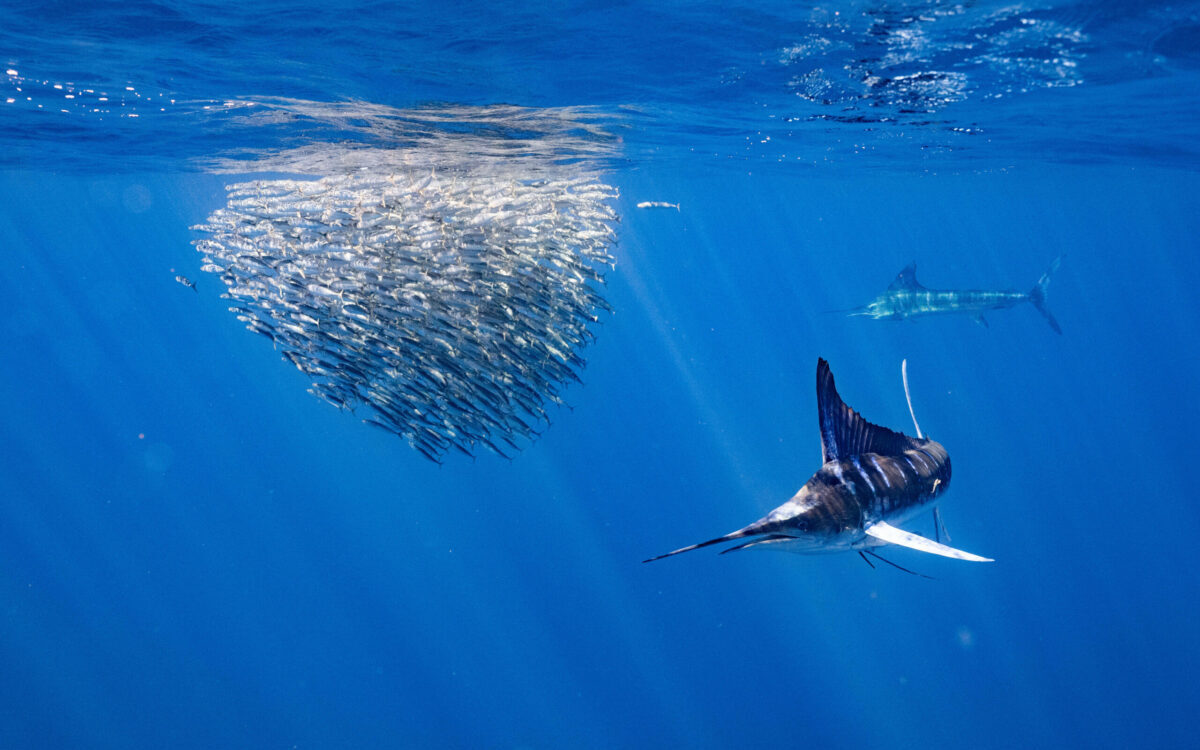
Rasante Raubfische wechseln Farben auf der Jagd
Eine Studie des Exzellenzclusters "Science of Intelligence" (SCIoI) mit der Humboldt-Universität zu Berlin und dem IGB erforscht, wie die gestreiften Marline die schnelle Abfolge ihrer Angriffe koordinieren können, ...
Feb
2024
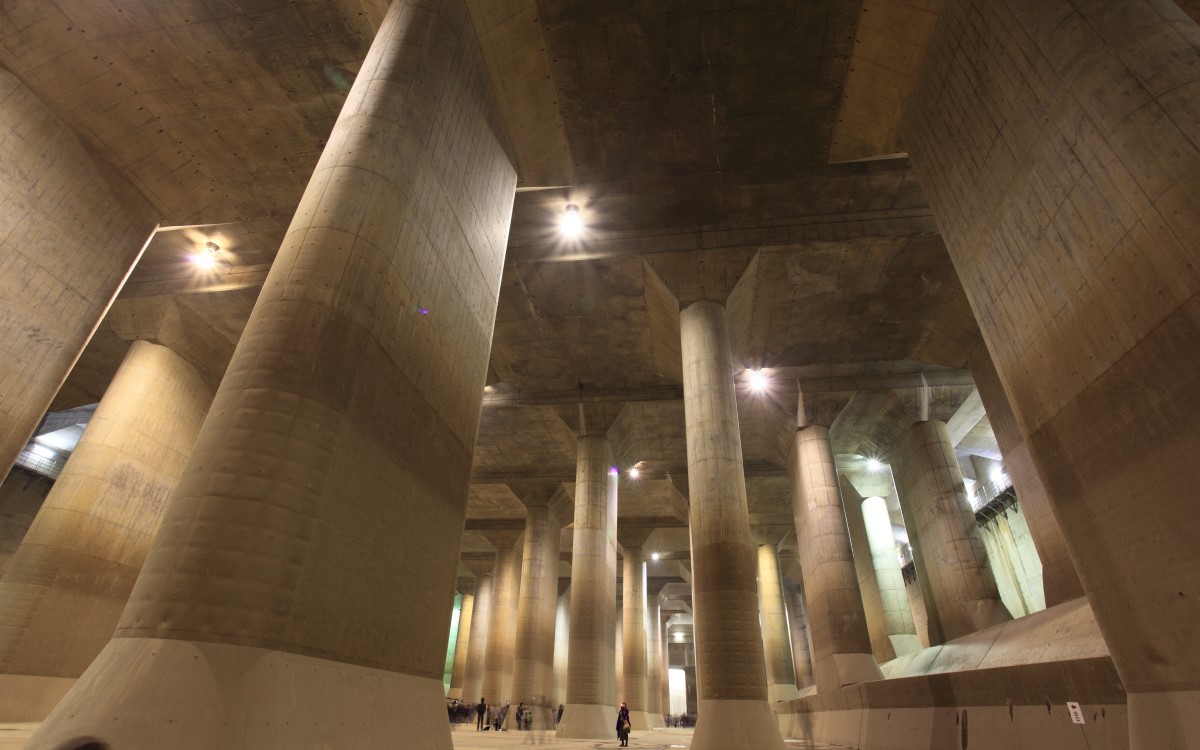
Unterirdischer Wassertempel schützt vor Hochwasser
20. Februar 2024 ǀ In Japan findet sich das weltgrößte unterirdische Entwässerungs- und Kanalisationssystem, genannt Shutoken Gaikaku Hōsuiro (首都圏外郭放水路, dt. etwa äußerer Entwässerungskanal für ...
Passende Firmen zum Thema:
Publikationen
Water Sensitive Urban Design as a Role Model for Water Management in Germany?
Autor: Jacqueline Hoyer / Juliane Ziegler
Themenbereich: gwf - Wasser|Abwasser
Erscheinungsjahr: 2013
“Water Sensitive Urban Design” (WSUD), originally developed in Australia, is a planning and design approach combining the functionality of water management with principles of urban design. WSUD is mainly used in the development of integrated ...
Tertiary Filtration with Ultrafiltration Membranes in Municipal Wastewater Treatment Plants
Autor: Martin Wett and Eberhard Back
Themenbereich: gwf - Wasser|Abwasser
Erscheinungsjahr: 2011
During the operation of tertiary filtration stages in a dead-end-mode, retentate concentrate and rinsing water from membrane cleaning accrue naturally. Work on process solutions for these process waters with no additional particle loads for the ...
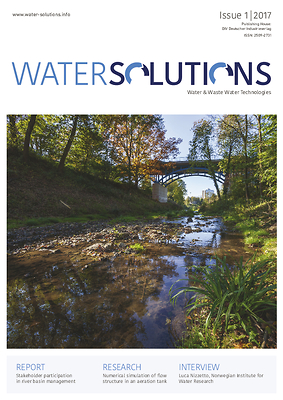
Water Solutions – 01 2017
Themenbereich: Water SolutionsErscheinungsjahr: 2017
The leading professional magazine for water and wastewater ...
Sie möchten die gwf Wasser + Abwasser testen
Bestellen Sie Ihr kostenloses Probeheft
Überzeugen Sie sich selbst: Gerne senden wir Ihnen die gwf Wasser + Abwasser kostenlos und unverbindlich zur Probe!