
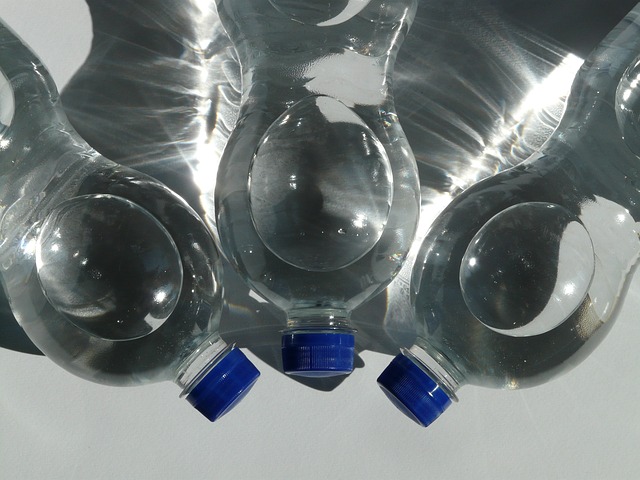
This proposal is based on findings from evolving research on optimal concentrations of fluoride that balances fluoride’s benefits in preventing tooth decay with its risk of causing dental fluorosis, a condition most often characterized by white patches on teeth. This proposed rule makes the standard for bottled water consistent with the U.S. Public Health Service’s (PHS) updated recommendation for the optimal fluoride concentration for community water systems to prevent tooth decay. In addition, this rule may reduce consumer confusion regarding inconsistency in fluoride level recommendations. The proposed rule would not affect the allowable levels for fluoride in bottled water to which fluoride is not added by the manufacturer (but which may contain fluoride from its source water).
In 1973, the FDA established standards of quality for bottled water, including allowable levels for fluoride, based on the PHS’s 1962 Drinking Water Standards. In 2015, the PHS updated and replaced its 1962 Drinking Water Standards related to community water fluoridation and recommended an optimal fluoride concentration of 0.7 mg/L. The FDA concluded that the addition of fluoride to bottled water should be consistent with the policy of allowing community water fluoridation.
Interested parties may comment on the proposed rule electronically by visiting http://www.regulations.gov and typing FDA-2018-N-1815 in the search box.
Source: FDA
FDA proposes new rule on fluoride added to bottled water
Kategorie: Sonstiges
Thema: Water Solutions
Autor: Jonas Völker
Das könnte Sie auch interessieren:
Mrz
2024
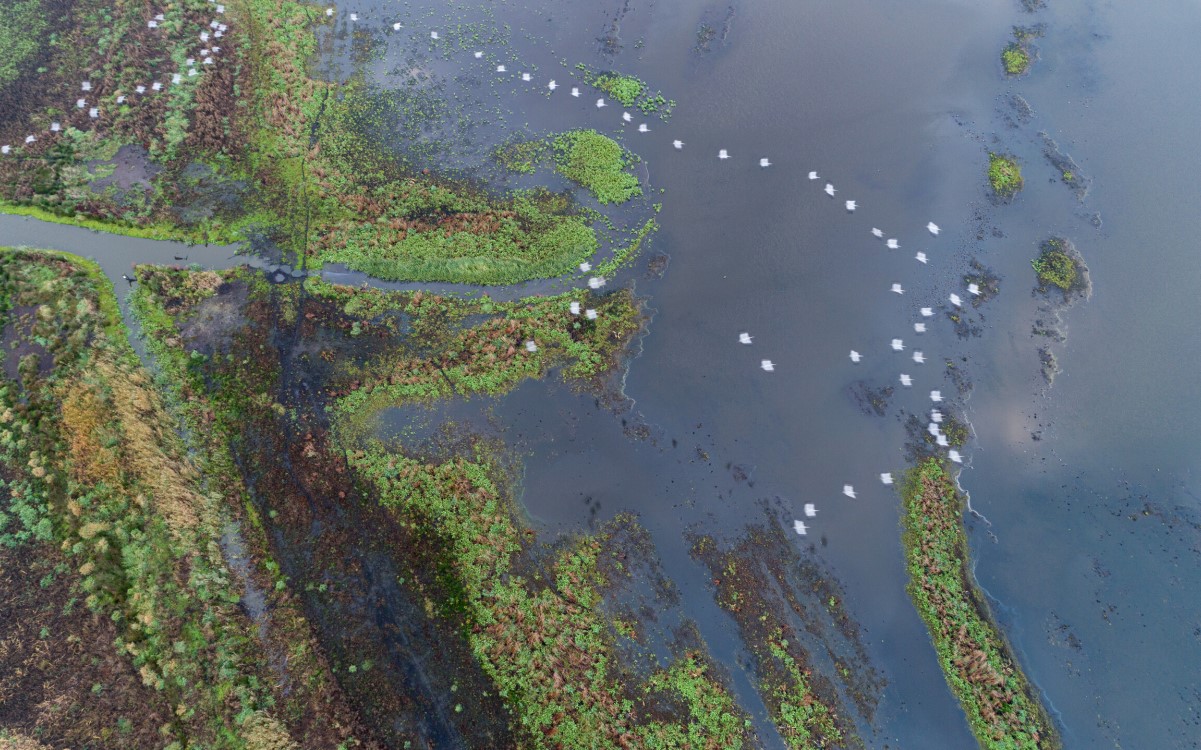
Trügerische Idylle: Stettiner Haff ist Bedrohter See des Jahres 2024
Das Stettiner Haff erstreckt sich über beide Seiten der deutsch-polnischen Grenze. Mit seiner Größe von 70.000 ha und als Teil des Oderdeltas spielt es eine Schlüsselrolle bei der Erhaltung der Artenvielfalt in der ...
Mrz
2024
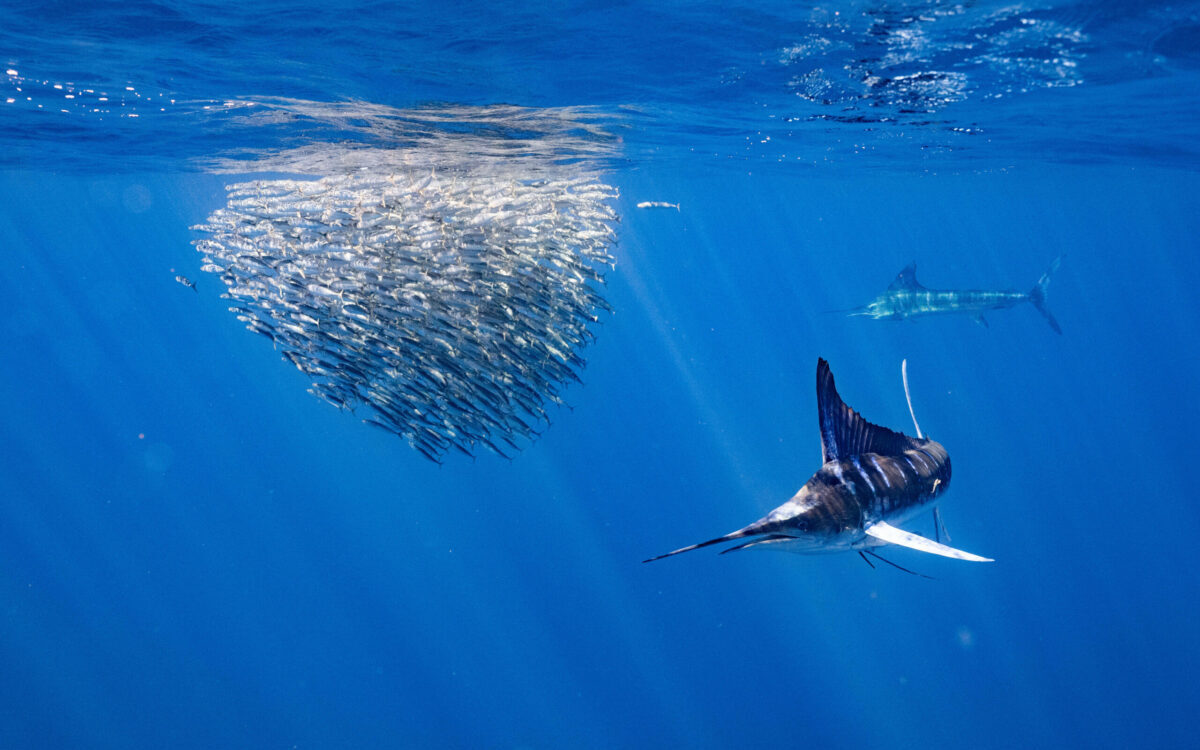
Rasante Raubfische wechseln Farben auf der Jagd
Eine Studie des Exzellenzclusters "Science of Intelligence" (SCIoI) mit der Humboldt-Universität zu Berlin und dem IGB erforscht, wie die gestreiften Marline die schnelle Abfolge ihrer Angriffe koordinieren können, ...
Feb
2024
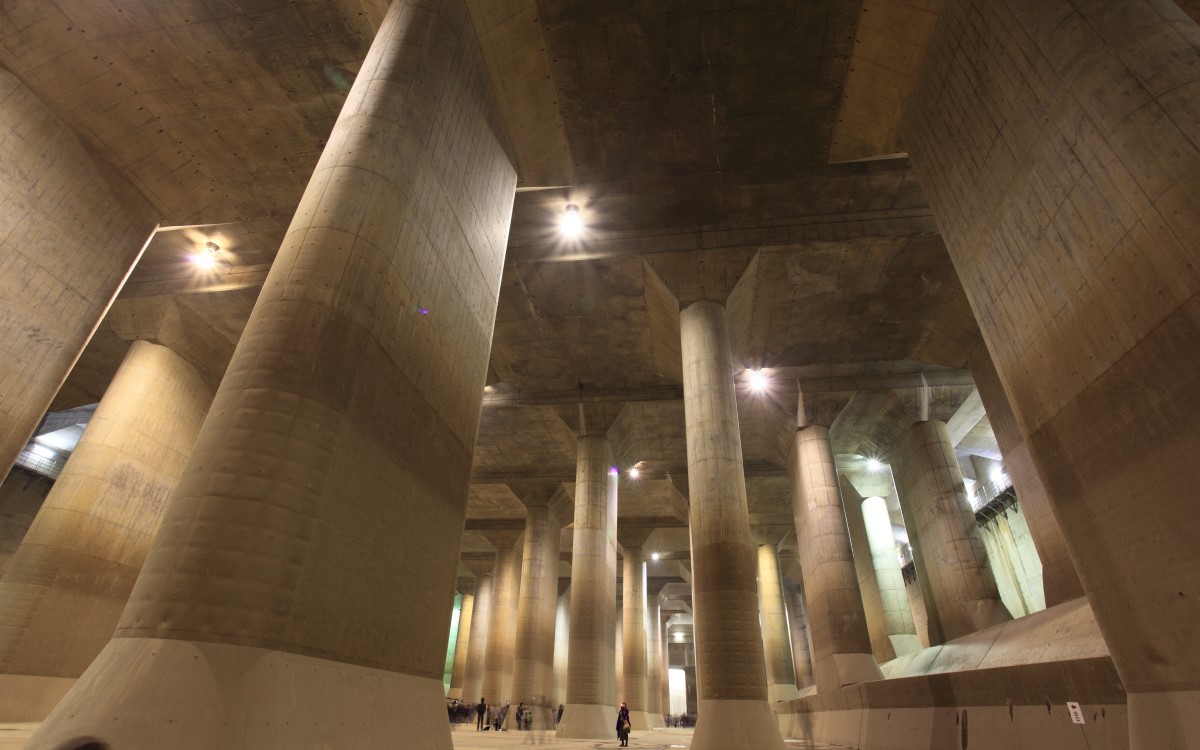
Unterirdischer Wassertempel schützt vor Hochwasser
20. Februar 2024 ǀ In Japan findet sich das weltgrößte unterirdische Entwässerungs- und Kanalisationssystem, genannt Shutoken Gaikaku Hōsuiro (首都圏外郭放水路, dt. etwa äußerer Entwässerungskanal für ...
Passende Firmen zum Thema:
Publikationen
Water Sensitive Urban Design as a Role Model for Water Management in Germany?
Autor: Jacqueline Hoyer / Juliane Ziegler
Themenbereich: gwf - Wasser|Abwasser
Erscheinungsjahr: 2013
“Water Sensitive Urban Design” (WSUD), originally developed in Australia, is a planning and design approach combining the functionality of water management with principles of urban design. WSUD is mainly used in the development of integrated ...
Tertiary Filtration with Ultrafiltration Membranes in Municipal Wastewater Treatment Plants
Autor: Martin Wett and Eberhard Back
Themenbereich: gwf - Wasser|Abwasser
Erscheinungsjahr: 2011
During the operation of tertiary filtration stages in a dead-end-mode, retentate concentrate and rinsing water from membrane cleaning accrue naturally. Work on process solutions for these process waters with no additional particle loads for the ...
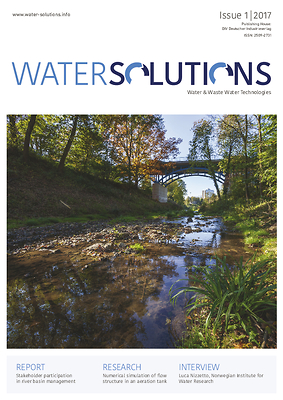
Water Solutions – 01 2017
Themenbereich: Water SolutionsErscheinungsjahr: 2017
The leading professional magazine for water and wastewater ...
Sie möchten die gwf Wasser + Abwasser testen
Bestellen Sie Ihr kostenloses Probeheft
Überzeugen Sie sich selbst: Gerne senden wir Ihnen die gwf Wasser + Abwasser kostenlos und unverbindlich zur Probe!